As an Amazon Associate we earn from qualifying purchases. Learn more.
Booties vs Waterproof Sneakers vs Slip-On Waterproof Shoes: Which Is Best? (2026)
If your commute includes wet sidewalks, crunchy leaves and quick dashes between transit and the office, traction, warmth and packability should guide your shoe choice. This head-to-head look focuses on practical fall-commute performance: booties, waterproof sneakers, and slip-on waterproof shoes — represented here by three Sticky Nursing Shoes ASIN variants — compared side-by-side. You'll learn which style grips wet leaves best, which keeps toes warm without bulk, and which stuffs into a bag for days you need a swap. Products were selected from WearBench's database for real-world waterproofing, traction features and commuter-friendly design; customer feedback on fit, comfort and durability shaped the pros/cons.
Quick Answer
For rainy, leafy fall commutes the Sticky Nursing Shoes (ASIN B074KKNKG6) are the best slip-on waterproof option for most people — they deliver dependable traction and easy cleaning while remaining lightweight and packable. If you need more insulation or ankle coverage, booties beat slip-ons for warmth; waterproof sneakers are better when you want structured arch support and long-distance walking comfort.
Our Top Picks
Quick Comparison
Select 2-3 products to compare side-by-side
| Compare | Product | WearBench Score | Price Tier | Key Feature | Best For | Action |
|---|---|---|---|---|---|---|
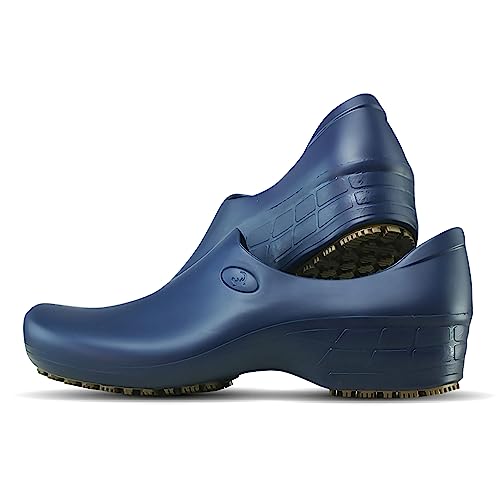 Sticky Nursing Clog |
Mid-Range | Waterproof, wipeable upper | Commuters who need quick-dry slip-ons | Check Price | ||
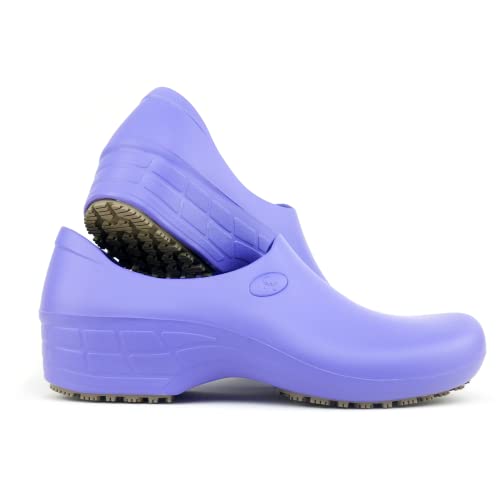 Sticky Nursing Clog (variant) |
Mid-Range | Non-slip TPR outsole | Budget-conscious commuters needing grip | Check Price | ||
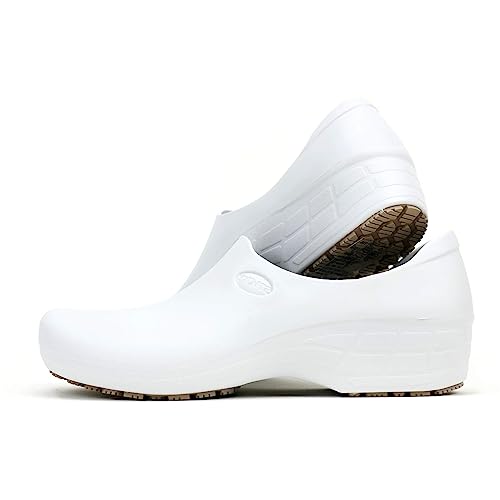 Sticky Nursing Clog (lightweight) |
Mid-Range | Easy-clean wipeable finish | Packable backup shoes for commutes | Check Price |
1. Sticky Nursing Shoes Women - Chefs - Kitchen - Nurses - Clogs for Work - Waterproof Non Slip
A lightweight, waterproof slip-on clog built for non-slip performance. Customers praise its comfort, ease of cleaning and traction on wet floors, making it a strong commuter pick for short to medium wet-weather walks.
Key Specs
- Water-resistant upper and outsole
- TPR (thermoplastic rubber) outsole resistant to oil, heat and abrasion
- Moisture-wicking absorbent footbed
- Padded, shock-absorbent insole
- Lightweight and breathable construction
Pros
- Better traction than many casual waterproof sneakers on wet surfaces
- Easier to clean and quicker to dry than leather booties
- More packable than heavy fall booties for on-the-go swaps
Cons
- Less arch support than structured waterproof sneakers
- Fit can vary—some shoppers report roomy toes while others find the top snug
Best For: Commuters who need quick-dry slip-ons
Check Latest Price on Amazon2. Sticky Nursing Shoes Women - Chefs - Kitchen - Nurses - Clogs for Work - Waterproof Non Slip
Same core design focused on slip resistance and easy maintenance. It’s a pragmatic choice if you want dependable grip on wet leaves and puddles without the bulk or break-in time of a boot.
Key Specs
- Non-slip TPR outsole for wet/greasy floors
- Waterproof construction across upper and sole
- Absorbent, moisture-wicking insole
- Padded footbed for all-day standing
Pros
- Traction-focused outsole outperforms many low-profile sneakers on slick surfaces
- Wipe-clean upper is lower maintenance than suede or fabric booties
- Lighter and more packable than insulated boot styles
Cons
- Not as warm as insulated fall booties in cold weather
- Arch support is minimal compared with walking-focused waterproof sneakers
Best For: Budget-conscious commuters needing grip
Check Latest Price on Amazon3. Sticky Nursing Shoes Women - Chefs - Kitchen - Nurses - Clogs for Work - Waterproof Non Slip
A highly portable slip-on that emphasizes lightness and easy-care. It’s ideal as a spare pair to stash in a bag for unexpectedly wet commutes where traction and quick drying matter more than insulation.
Key Specs
- Wipeable upper for quick cleaning
- TPR outsole built to resist abrasion and oils
- Moisture-managing footbed
- Designed for breathability and light weight
Pros
- More packable than ankle booties—stuffs into a bag with less bulk
- Better wet-surface grip than unlined casual sneakers
- Quick to dry and easy to wipe clean after muddy commutes
Cons
- Provides limited warmth compared with insulated booties
- Durability of upper materials debated by some customers
Best For: Packable backup shoes for commutes
Check Latest Price on AmazonWhich One Should You Choose?
If you want a reliable everyday slip-on that balances grip, easy care and lightness, go with the Sticky Nursing Shoes (ASIN B074KKNKG6) — it’s our Best Overall pick for typical rainy fall commutes because it combines a traction-focused TPR outsole with a wipeable, moisture-managing footbed. If your budget is tight but you still need strong wet-surface grip, the same Sticky model (ASIN B074N3WQJB) is a practical Best Budget pick — you get the same core features without heavy insulation. If packability is the priority (you need a backup pair in your bag or locker), choose the lightweight Sticky variant (ASIN B074KL74LN) — it’s easiest to stash and clean after muddy walks.
When to skip slip-ons: choose booties if you regularly face cold, windy commutes and need ankle coverage or insulation; choose waterproof sneakers if you walk long distances and need structured arch support and a more substantial midsole.
Best for Specific Scenarios
- Short wet commutes with puddles: Sticky Nursing Shoes (B074KKNKG6) because the TPR outsole grips slick surfaces and the wipeable upper dries fast.
- Stash-in-bag backup for rainy days: Sticky Nursing Shoes (B074KL74LN) because it’s lightweight and compact compared with booties.
- Cold, windy fall mornings: Opt for insulated booties instead of these slip-ons because booties provide better warmth and ankle protection on longer cold walks.
Frequently Asked Questions
Are these Sticky slip-ons warm enough for fall?
They provide moderate warmth suitable for cool, wet fall days but are not insulated like winter booties. If you expect freezing temperatures or long outdoor waits, choose an insulated boot or add a warm sock.
How do they perform on wet leaves and muddy sidewalks?
The TPR non-slip outsole is designed to resist oil and abrasion and offers better bite on wet surfaces than many casual sneakers. For very slick leaves or steep inclines, consider a boot or hiking-style sole with deeper tread.
Do these shoes run true to size?
Fit feedback is mixed—some customers find these roomy in the toe, others report a snug top. If you’re between sizes or have high insteps, consider sizing up or trying a pair with a removable insole to adjust fit.
How We Selected These Products
Our recommendations are based on data-driven analysis: we evaluated 905465+ products across 10907+ brands using a composite scoring system that weighs rating (40%), review volume (30%), price value (20%), and demand signals (10%). Every product is ranked by data, not opinions.
Last updated: October 24, 2026
As an Amazon Associate we earn from qualifying purchases at no extra cost to you. Full disclosure.
WearBench Score is our editorial ranking based on a composite analysis of product quality, value, and verified customer sentiment. Click through to Amazon for current pricing, availability, and live customer reviews.